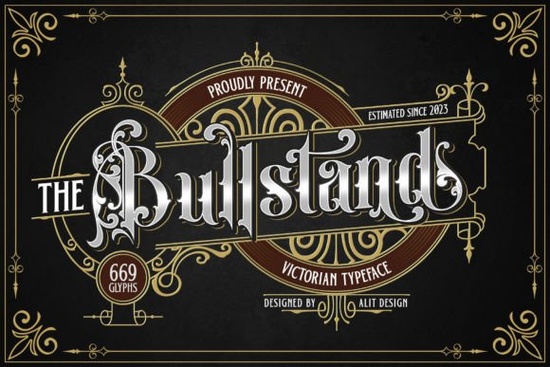
If you’ve been looking for a typeface that brings back the rich ornamentation of the 1800s, the Bull Stand Font (officially called Bull Stand Victorian) might be exactly what you need. It’s a decorative blackletter style that feels both historic and fresh, with plenty of curls, swashes, and sharp serifs that catch the eye. Designers, crafters, and print‑on‑demand sellers are turning to this look for everything from wedding invitations to vintage‑style merchandise. Let’s explore how you can use it effectively.
What makes a Victorian‑style font stand out for modern design projects?
Victorian typography is known for its complexity. Letters are often tall, narrow, and packed with decorative details that create a sense of luxury and craftsmanship. The Bull Stand Font takes that idea and makes it usable for digital and print projects without losing the handmade feel. Because the strokes are thick in some places and thin in others, the font works well when you want to highlight a single word or short phrase. It’s not the best choice for long body text, but for headlines, logos, or product labels it really shines.
Many creators pair this font with simpler sans‑serif faces to balance the ornamentation. For example, you could use Bull Stand for the main title on a poster and a clean modern font for the supporting details. This contrast helps the Victorian details pop without overwhelming the viewer. If you’re making printables like wall art, greeting cards, or journal covers, the font adds an instant vintage mood that customers often gravitate toward.
How does Bull Stand compare to other blackletter fonts?
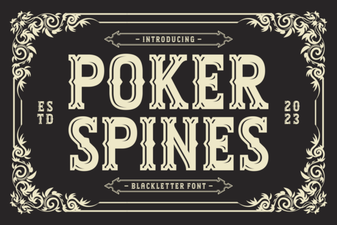
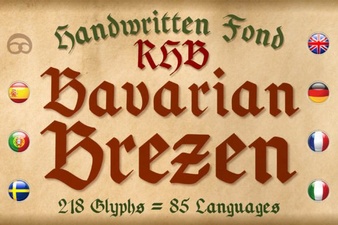
If you’ve worked with blackletter fonts before, you know they range from gothic and spiky to more flowing calligraphic styles. Bull Stand sits somewhere in the middle. It’s bolder than a traditional fraktur but not as rigid as a textura. The Victorian influence shows in the curled ascenders and the decorative flourishes on capital letters. For a similar ornate feel, you might also look at Poker Spines Font, which has a more playful, saloon‑style vibe. If you need a cleaner take on Bavarian heritage lettering, Bavarian Brezen Font offers a slightly rounder, friendlier version of blackletter. Each of these fonts has its own personality, but Bull Stand leans into the most elaborate side of the Victorian era.
When choosing between them, think about your project’s mood. Bull Stand works best for formal or romantic designs, while the Poker Spines font fits tavern‑themed menus or rustic branding. And if you need a more approachable blackletter, the Bavarian Brezen font might be easier to read in larger blocks of text. All three fall under the Bull Stand Font blackletter fonts category, so you can browse related options when you visit the collection.
Where can I use this font for print‑on‑demand or crafting?
The ornamentation makes Bull Stand a natural fit for products that rely on visual impact. Here are a few ideas that designers and small business owners have found effective:
- Wedding and event stationery – Save‑the‑dates, invitations, place cards, and thank‑you notes with a vintage twist.
- Apparel decorations – Use it for quotes or monograms on t‑shirts, hoodies, and tote bags. The thick strokes hold up well in screen printing and heat transfers.
- Home decor signs – Wood burned signs, canvas prints, or metal signs with inspiring words or family names.
- Digital templates – Social media graphics, YouTube thumbnails, or Canva templates where you want a classic feel.
- Packaging and labels – Candle jars, soap boxes, or food product labels that need a heritage look.
Because the font is sold under a commercial license (check the Creative Fabrica listing for specifics), you can use it on items you sell without worrying about extra fees. That’s a huge plus for print‑on‑demand sellers who need to keep costs predictable.
Is this font easy to read in small sizes?
Honestly, no. The decorative details that make Bull Stand beautiful at large sizes can become muddy when you scale it down too much. Use it at least 24 point or larger for printed materials, and even bigger for digital screens. If you need a subheading or supporting text, switch to a simpler font. That’s a common trade‑off with ornate typefaces, and knowing this upfront helps you avoid frustration during layout design.
Another practical tip: when you’re working on a product like a mug or a phone case, test the legibility at the actual print size. Sometimes a design that looks perfect on your monitor prints smaller or larger than expected. A quick mockup can save you time and returns.
Practical checklist before you start using Bull Stand Font
To get the best results from this font in your projects, here’s a short list to keep handy:
- Check the license – Verify that your intended use (personal, commercial, POD) is covered. Creative Fabrica usually includes a standard commercial license with this font.
- Pair it with a neutral font – Choose a clean sans‑serif like Montserrat or Open Sans for body text and subheadings.
- Test readability at different sizes – Print a sample at the size you plan to use and check from arm’s length.
- Limit all‑caps usage – The decorative capitals are beautiful, but a full word in uppercase can be hard to read. Use title case or sentence case instead.
- Use it sparingly – One ornate word or phrase per design is often enough. Too much decoration can clutter the composition.
- Explore related blackletter options – Visit the blackletter fonts collection to see similar styles that might suit alternate projects.
If you’re ready to experiment, download the font and try a few quick mockups. You’ll quickly see where its strengths fit your creative style.
 Poker Spines Font: a Unique Designer's Toolkit
 Bavarian Brezen Font Design & Creative Uses
 Festive Typography: Designing a Wonderful Christmas Font
 Designing with the Cat Paws Font Family
 Design a Project with Vintage Florida Fonts
 Bright Summer Duo Font for Creative Projects