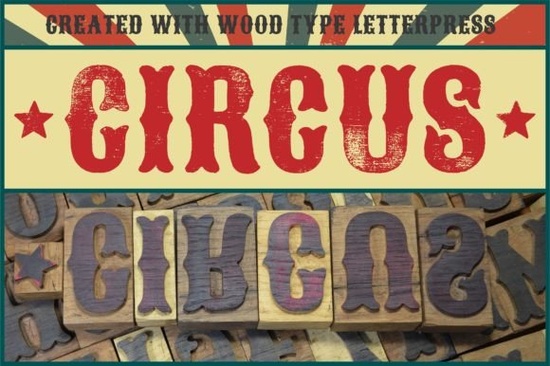
The Circus Font is not your typical digital typeface. Each character was carved from real wood, pressed onto paper with a letterpress, then scanned and carefully digitized. That handmade process gives every letter a slight, natural imperfection. The result is a font that feels tactile and alive – the ink looks a little heavier in some spots, the edges are soft, and the overall texture mimics actual printing. For designers, crafters, or anyone running a print-on-demand shop, that authenticity can make a project stand out from the hundreds of slick, purely vector fonts out there.
How was Circus Font actually created?
The creator started with physical wood blocks. Each glyph – every letter, number, and punctuation mark – was carved by hand. Those blocks were then inked and pressed onto paper using a vintage letterpress. After that, the prints were scanned at high resolution. The scans were cleaned up just enough to remove major ink splatters, but the natural pressure marks, slight misalignments, and paper texture were kept. That raw, analog feel is exactly what gets lost when you design a font entirely on a computer.
Because the font comes from a physical impression, it has a three-dimensional quality. You can almost see the ink being squeezed out under the pressure. This is perfect for projects where you want to convey craftsmanship, nostalgia, or a handmade look. Letterpress fonts like this one are especially popular for wedding invitations, product labels, and vintage-style posters.
Is Circus Font a good choice for print-on-demand products?
Yes, it works really well for POD items. The textured, worn look prints beautifully on t-shirts, mugs, tote bags, and wall art. Because the font is already designed to mimic ink on paper, it doesn't look out of place when printed. It also pairs nicely with cleaner, simpler typefaces for contrast. For example, use Circus Font for a bold headline and a solid sans-serif for the smaller details.
If you're creating seasonal or event-based designs – think carnival themed graphics, birthday party invites, or circus-inspired merch – this font gives you an instant vintage vibe. It fits into the broader category of decorative fonts that add character without needing extra illustration work.
To see more handmade, textured options, browse the letterpress-inspired decorative fonts available in our collection. You'll find other wood-carved and press-scanned typefaces that share that same tactile feel.
What makes a wood-carved font different from a digital-only design?
Digitally created fonts (drawn with vector software) can be perfectly smooth. That's great for screen use, but sometimes it feels sterile. A wood-carved font has tiny quirks: ink bleeds, uneven inking, slight curves where the wood grain caused the paper to rise. Those are the same details that make vintage printed materials look so warm and inviting.
When you use a font like Circus Font, you're essentially using a digital version of a physical artifact. It's one of the few ways to bring that old printing charm into modern design without owning a letterpress yourself. For crafters and creative hobbyists who want their work to feel real, this is a huge advantage.
Can Circus Font be used for logos and branding?
Absolutely, but with one caveat: because the font has a strong personality, it's best for short words or headlines. A logo built entirely with this typeface might be hard to read at small sizes. However, for an event brand, a craft business, or a children's product line, it can be perfect.
Try combining it with a clean, neutral font for the tagline or supporting text. The contrast will highlight the handcrafted feel of Circus Font.
What other similar fonts should I consider?
If you like the organic, pressed look of Circus Font, you might also explore Vintage Circus Display for even more weathered edges, or Carnival Script if you prefer a flowing, handwritten feel with similar ink texture. Both are also part of the decorative fonts family and work well with Circus Font in layered designs.
Practical tips for using Circus Font
- Pair it with a simple serif or sans-serif – the heavy, textured circus style needs breathing room. Try a clean font like Open Sans or Roboto for body text.
- Print at a decent size – the wood-carved details show best at 36pt or larger. For tiny labels, the character may get muddled.
- Use it on mockups with paper texture – layering the font over a subtle kraft paper or newsprint background amplifies the vintage effect.
- Limit it to one or two words per line – long sentences become hard to read because of the irregular weight.
- For POD t-shirt designs, keep the text short and center it. Add a simple border or badge shape to frame it.
Next time you need a typographic element that feels handmade and authentic, give Circus Font a try. Its letterpress roots add a dimension that no digital-only font can replicate. Start with a short phrase, adjust the tracking slightly, and watch your design gain instant character.
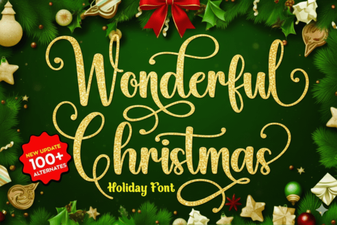 Festive Typography: Designing a Wonderful Christmas Font
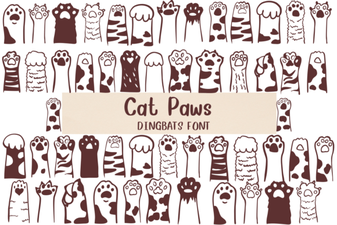 Designing with the Cat Paws Font Family
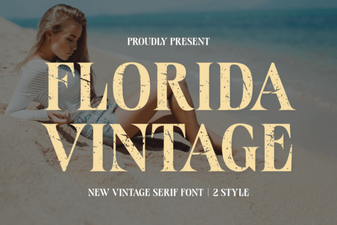 Design a Project with Vintage Florida Fonts
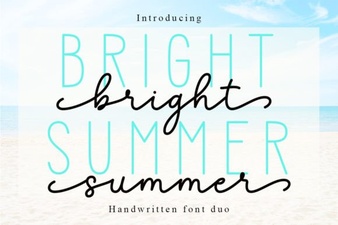 Bright Summer Duo Font for Creative Projects
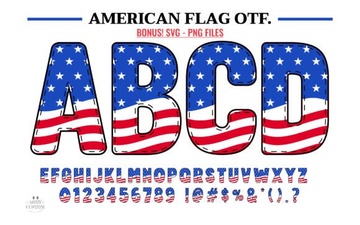 Choosing a Patriotic Font for Your Projects
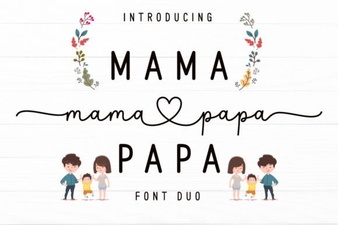 Mama Papa Duo: Creative Font Pairings for Design Projects